
How Production Tracking Transforms Gallery-Foundry Communication
The relationship between galleries and foundries has always depended on phone calls and trust. Structured production tracking changes that dynamic entirely.
The traditional workflow between a gallery and a foundry looks something like this: the gallery commissions a bronze, the foundry says it will take twelve to sixteen weeks, and then there is silence. Maybe a phone call at the midpoint. Maybe a text message with a blurry photo of the wax. Eventually, the finished piece shows up, and the gallery finds out whether it matches expectations.
This workflow has survived for decades because the foundry world is built on deep personal relationships and trust. But it creates real problems — for the gallery, for the foundry, and especially for the collector.
The collector is waiting
When a collector acquires an edition that is still in production, they enter a period of anticipation. They have committed significant money. They want to know what is happening with their piece. They want to feel connected to the process.
But the gallery often has nothing to share. They are waiting on the same phone call from the foundry that never comes. The collector asks for an update; the gallery calls the foundry; the foundry is busy pouring metal and does not answer until the next day. By the time the message gets back to the collector, three days have passed and the update is already stale.
Structured production tracking solves this by creating a shared timeline. When the foundry completes a milestone — the wax is approved, the ceramic shell is complete, the bronze is poured, the patina is applied — they post an update directly. The gallery sees it immediately. The collector can be notified automatically or at the gallery's discretion.
Photos change everything
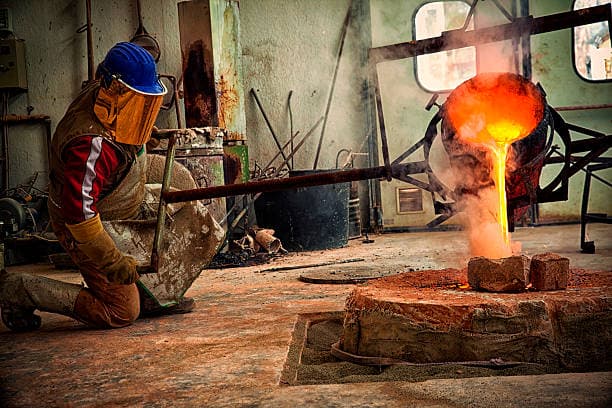
The single most impactful element of production tracking is photography. When a foundry posts a photo of a freshly poured bronze still glowing in the mold, or a wax being carefully chased by hand, it does something that no phone call can accomplish: it makes the process real.
For the collector, these images are extraordinary. They transform the waiting period from a void into a story. Many collectors frame production photos alongside the finished work. Others share them on social media or with fellow collectors. The images become part of the piece's narrative, adding layers of meaning that persist long after the work is installed.
For the gallery, production photos are marketing material, relationship builders, and provenance documentation all at once. A gallery that can show a collector the exact moment their sculpture was born from the mold has a relationship advantage that no competitor can easily replicate.
Reducing the phone call burden
Foundries are workshops. The people doing the work — the chasers, the patinators, the welders — are not sitting at desks. When the gallery calls for an update, someone has to stop what they are doing, find the relevant job, and relay information over the phone. It is inefficient for everyone.
A production tracking system reverses the flow. Instead of the gallery pulling information out of the foundry, the foundry pushes updates when they happen. The foundry worker finishes a milestone, takes a photo, posts it, and goes back to work. It takes less than a minute. The gallery and collector both have the information without a single phone call.
Accountability without friction
One of the delicate aspects of the gallery-foundry relationship is accountability. Timelines slip. It happens. But when timelines are only tracked verbally, there is no shared record of what was promised and what was delivered. This creates tension that is difficult to resolve.
A shared production timeline makes accountability transparent. Both parties can see the original estimated dates, the actual completion dates, and any notes about delays. There is nothing to argue about. If the wax approval took two weeks longer than expected, the record shows it. If the foundry finished the patina ahead of schedule, that is documented too.
This transparency does not create conflict — it reduces it. When both sides have the same information, conversations become productive rather than defensive.
The permanent record
Production data does not stop being useful when the piece is delivered. Years later, when the work needs conservation, the production record tells the conservator exactly what materials were used, what techniques were applied, and how the surface was finished. When the work is resold, the production history adds depth to the provenance that elevates its value.
The gallery-foundry relationship is one of the most important partnerships in the art world. Better communication tools do not replace the trust and craft that define it — they strengthen both.